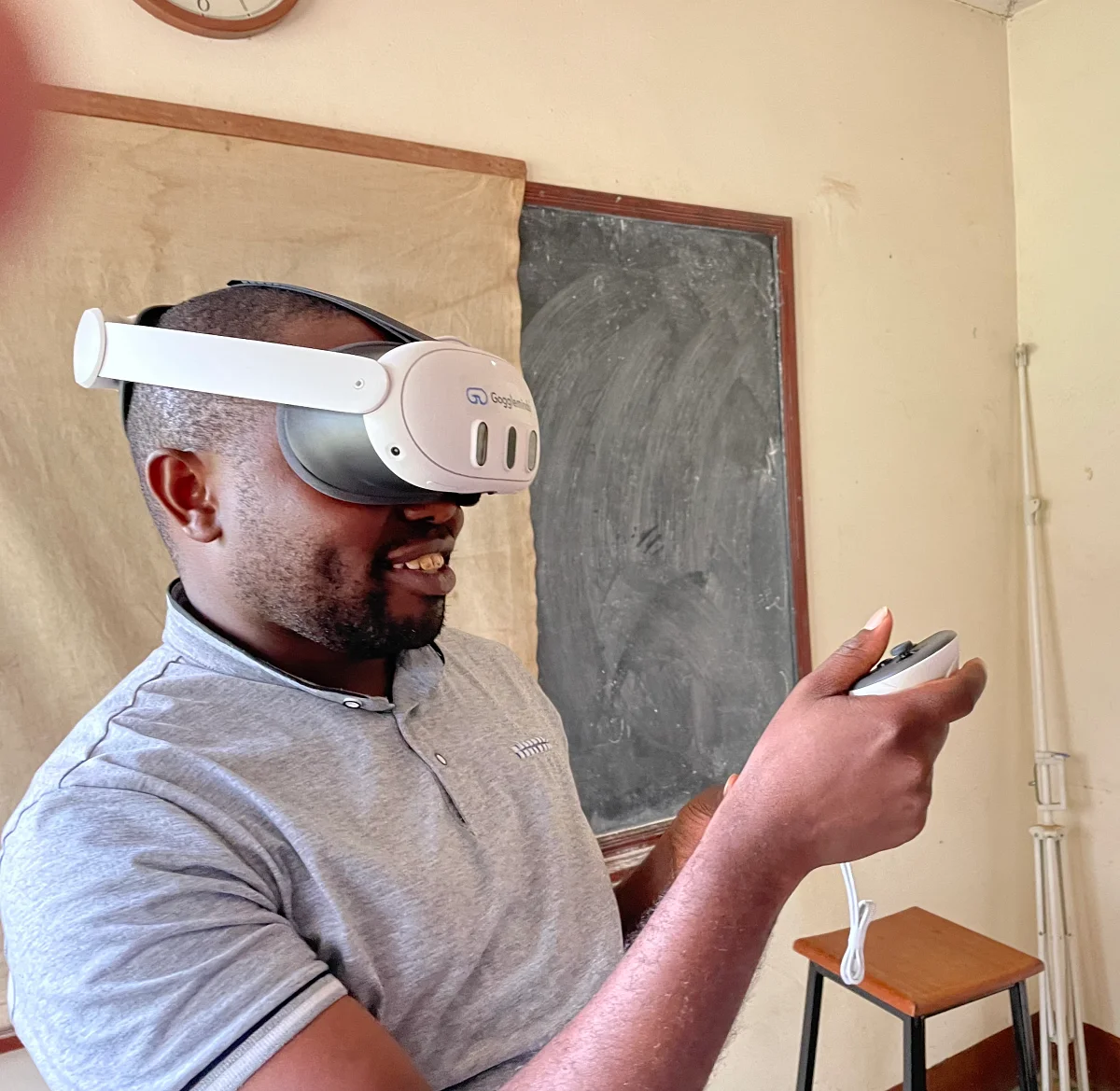
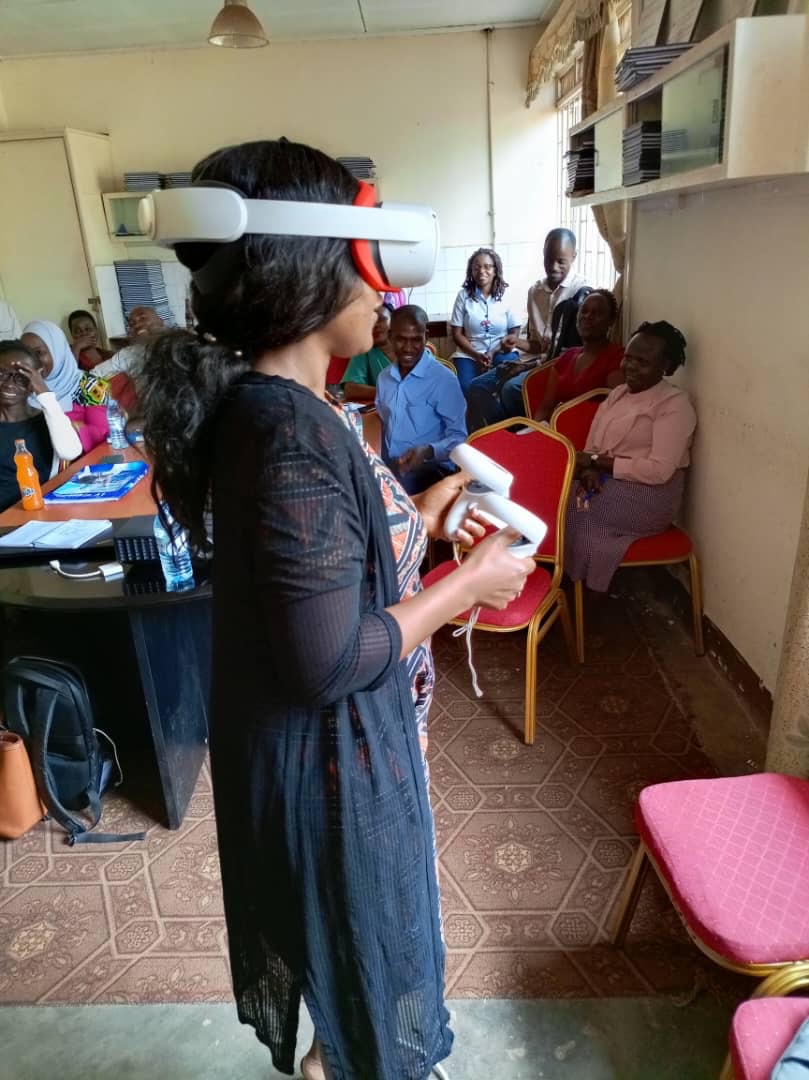
Goggleminds exists to widen access to high-fidelity clinical simulation for every learner, every trust, every health system. From UK classrooms to clinics across sub-Saharan Africa.
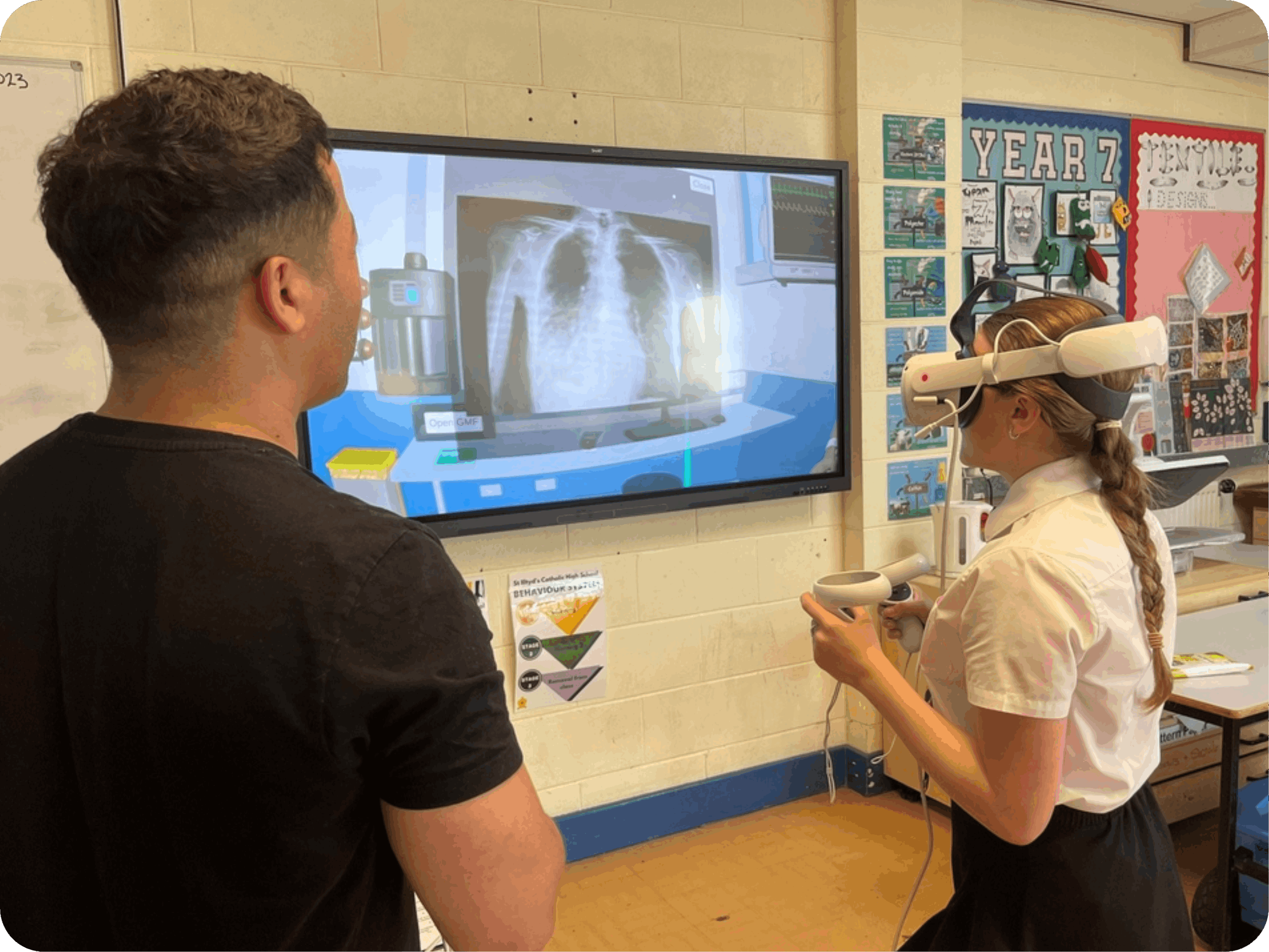
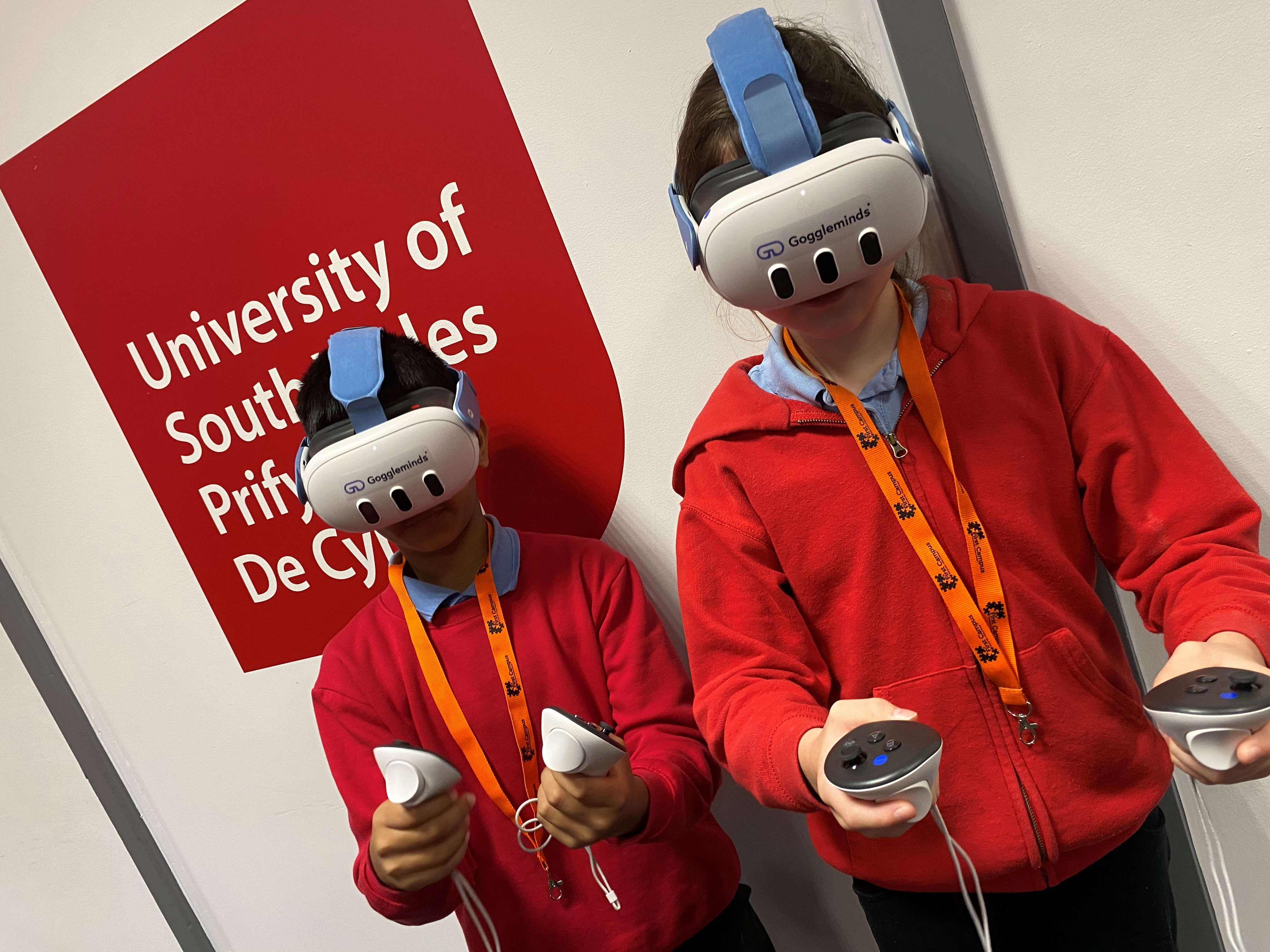
A free outreach programme for schools, colleges and widening-participation partners. Young people step into the same simulation a junior doctor sees, and discover what a career in medicine, nursing or allied health actually looks like.
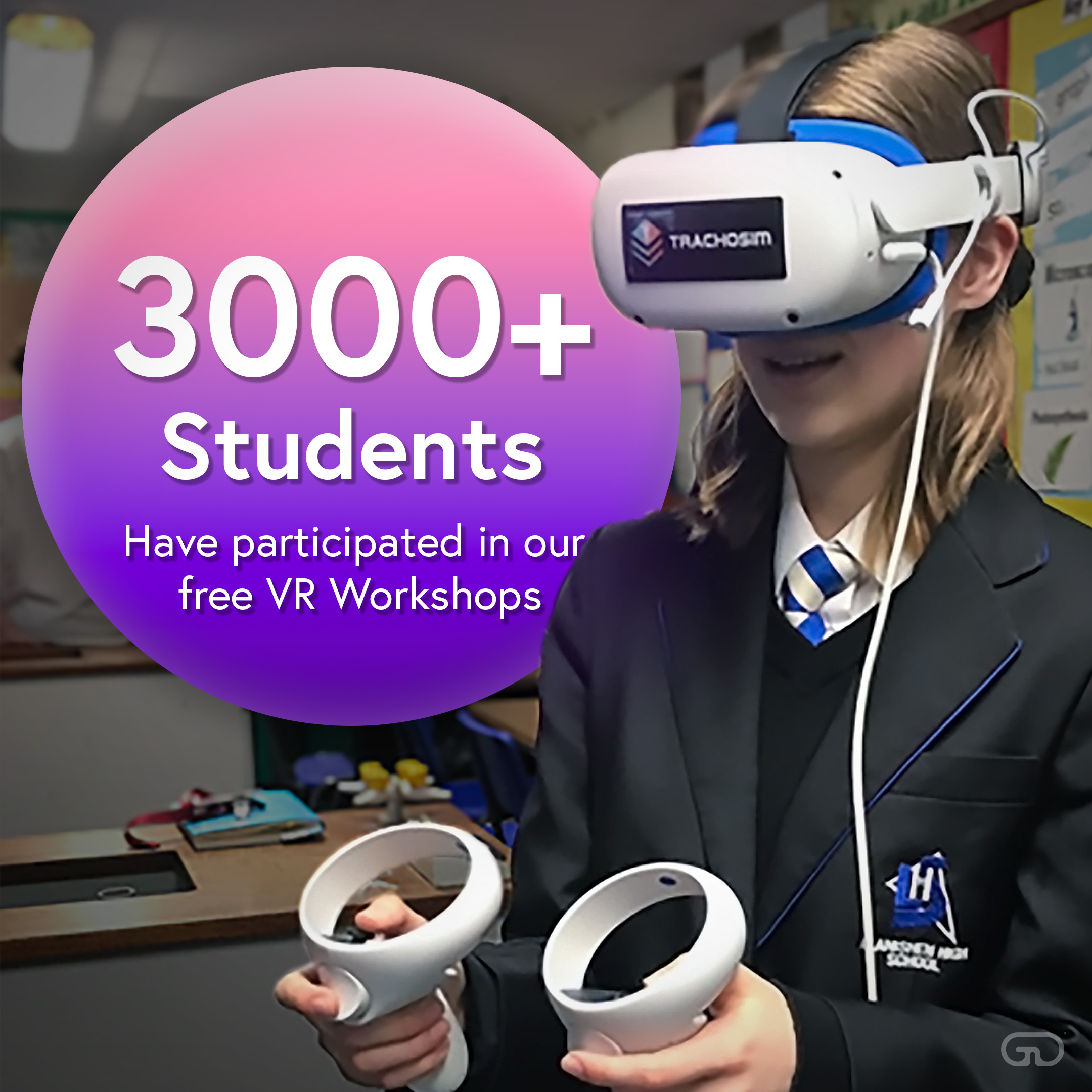
We've already reached over 3,000 students across the UK, from secondary schools in the South Wales valleys to inner-city London colleges. For most, this is the first time they've held a clinical decision in their own hands.
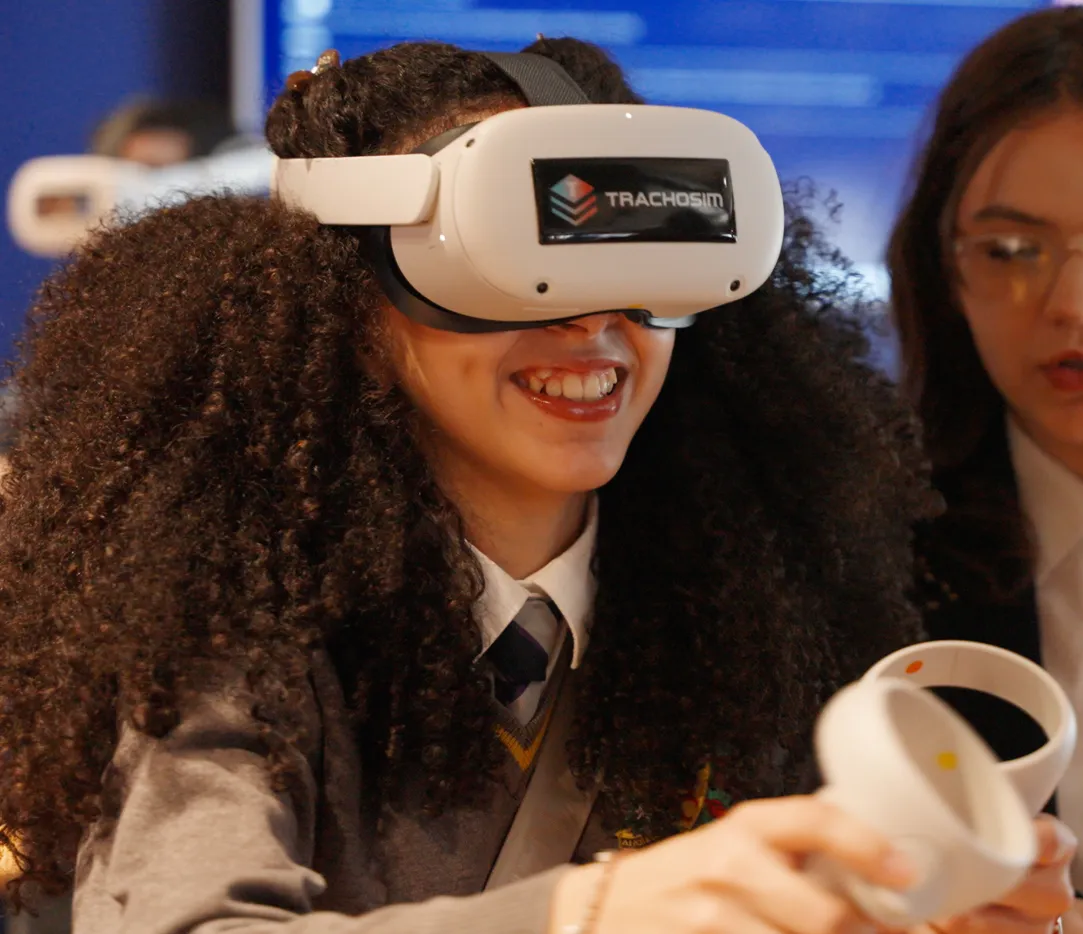
Sessions are mapped to UK GCSE and A-Level biology, plus PSHE careers learning, so teachers can run them inside existing schemes of work.
Scenarios are shaped with NHS workforce-planning teams and clinical educators, so the careers picture pupils see is the one their region actually needs to fill.
Schools in the lowest income deciles, special-school partners and looked-after children's services pay nothing. Headsets, scenarios and facilitation are all donated.
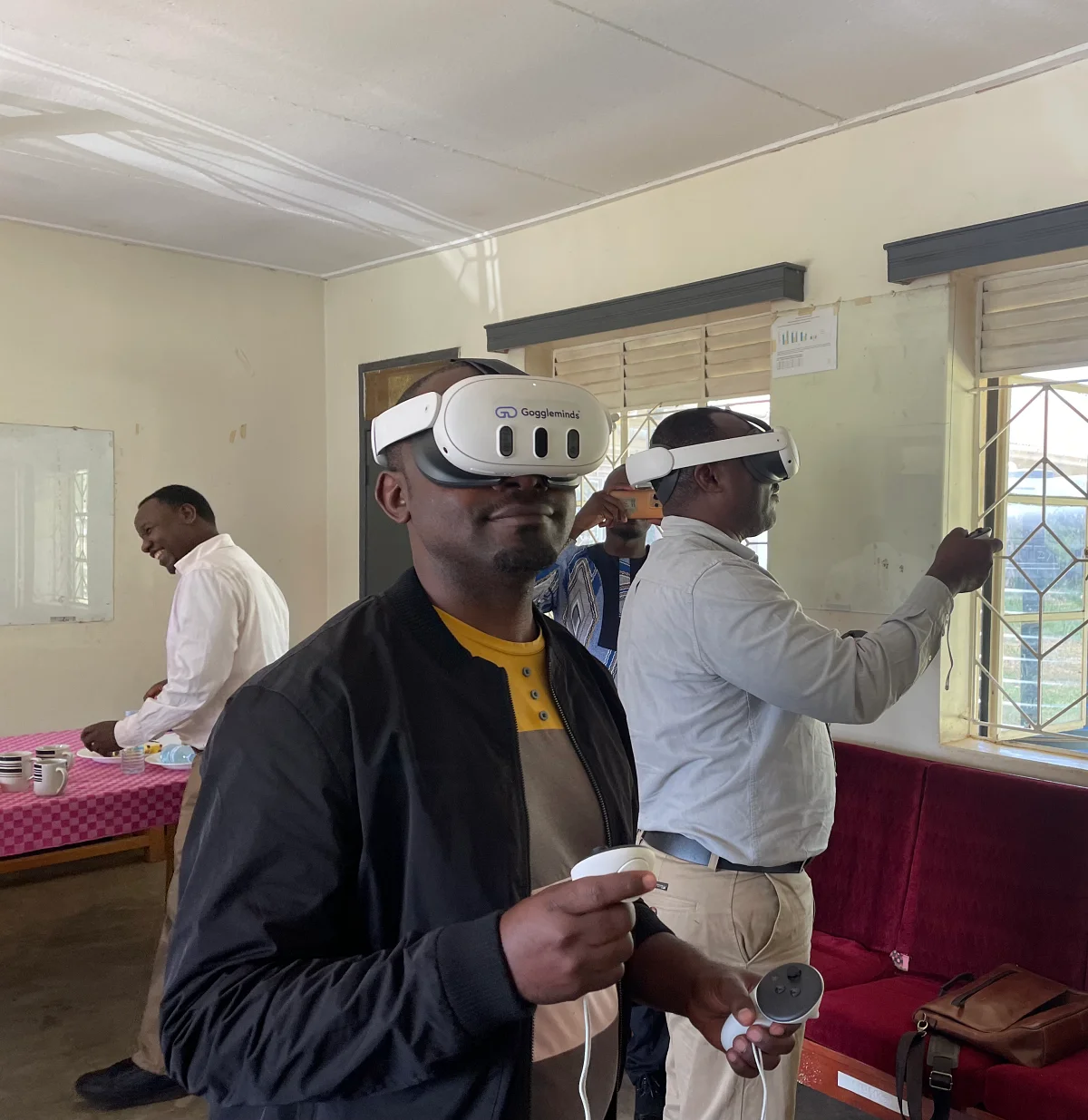
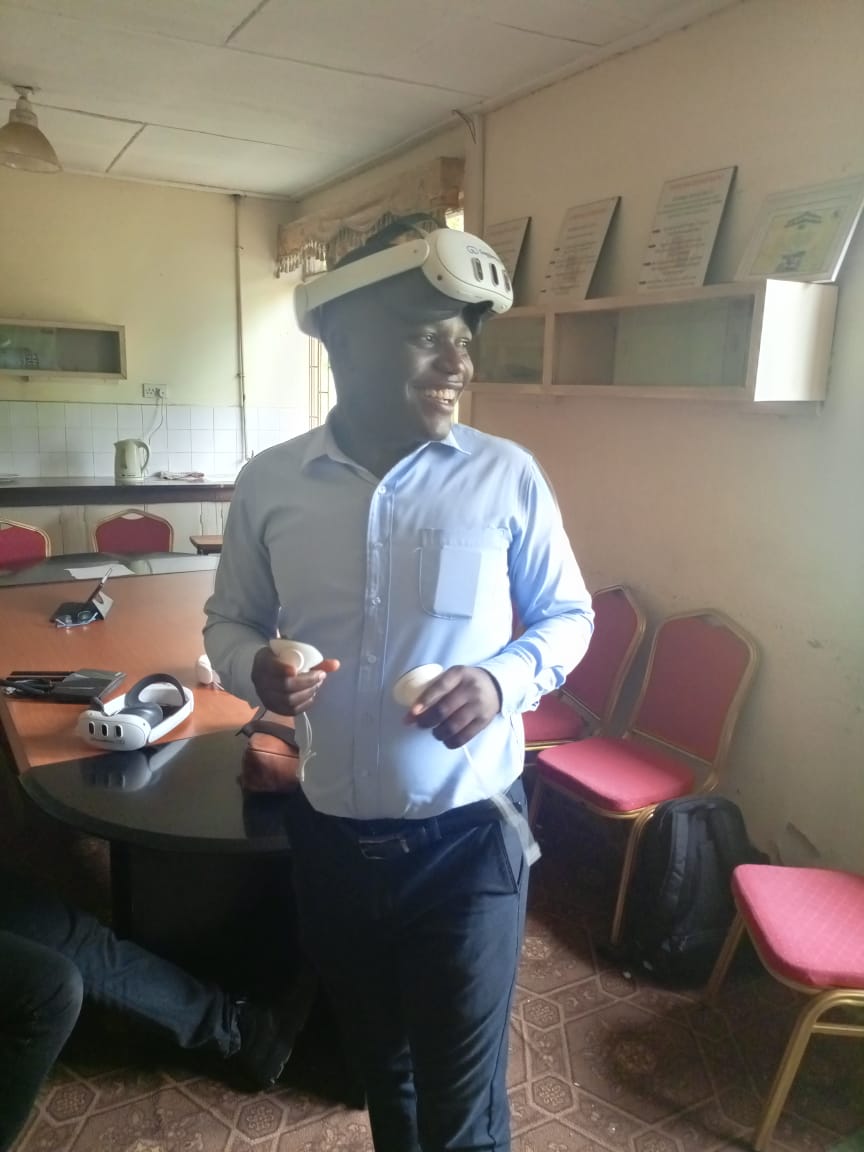
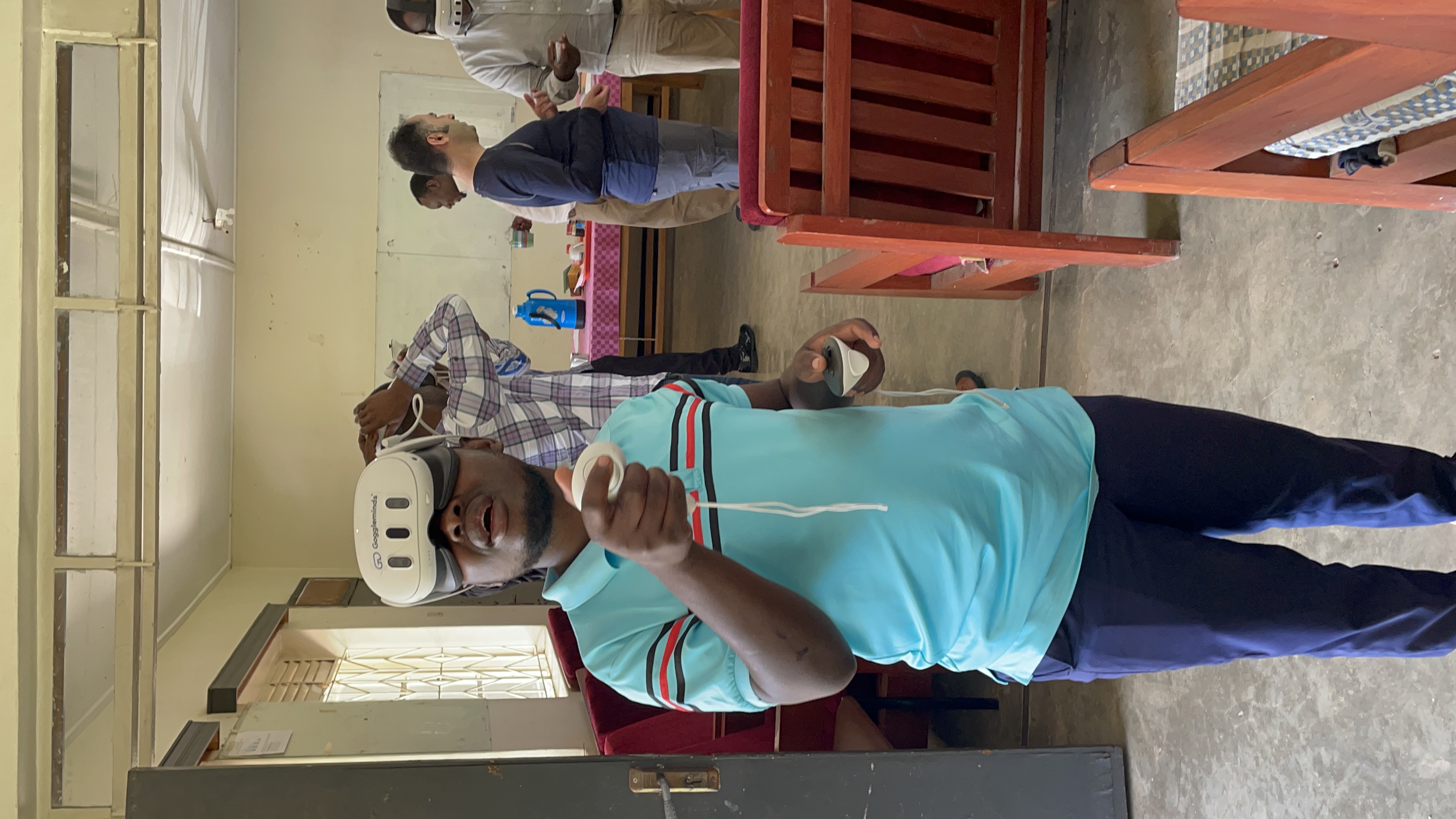
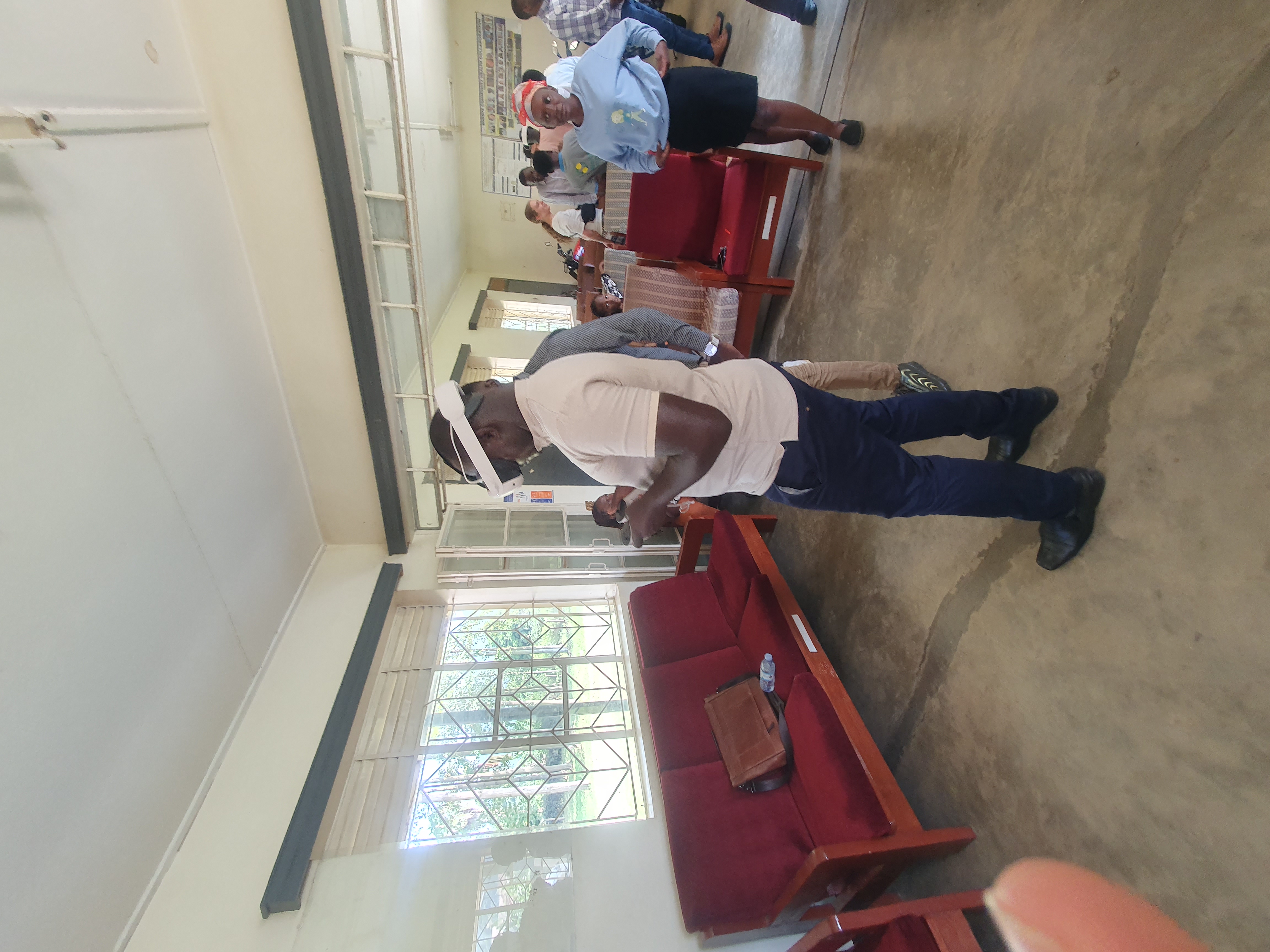
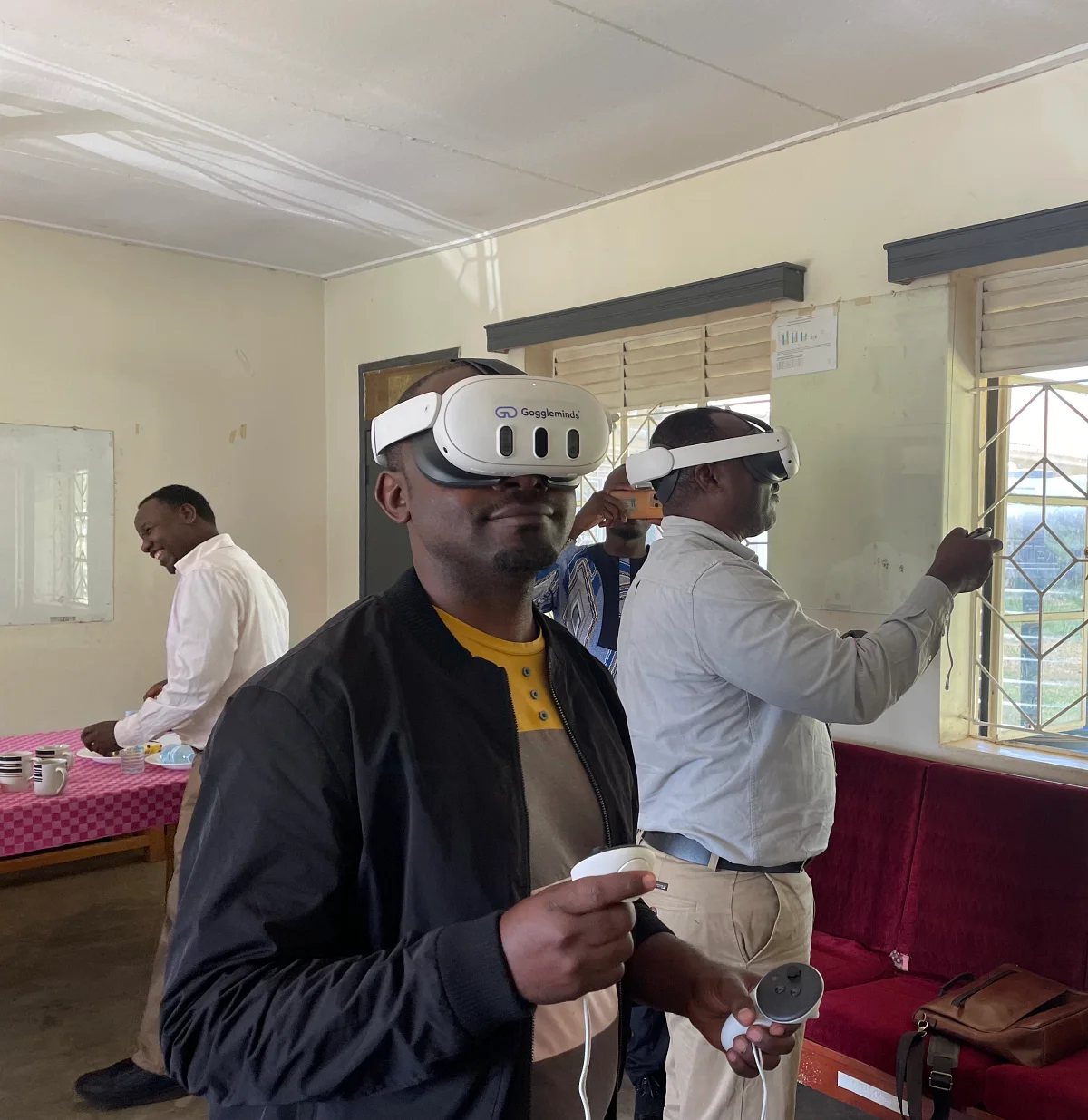
Our 2030 commitment: 100,000 healthcare professionals trained across sub-Saharan Africa, supported by physical VR training centres co-built with universities, ministries of health and frontline NGOs.
We donate Goggleminds licences and author localised scenarios for sepsis, maternal health, paediatrics and trauma, designed for the realities of the wards where they will be used, not the wards we trained in.
can significantly enhance
Watch the film
Scenarios stream to laptops and tablets institutions already own, and run fully offline on donated headsets when bandwidth is the bottleneck.
Each scenario is re-authored with local clinicians — drug names, equipment, escalation pathways and patient demographics all reflect the country's reality.
Permanent VR training rooms inside partner universities and hospitals, so the kit, the support and the curriculum stay long after we leave.
A non-exhaustive list of the organisations whose clinicians, researchers and educators have shaped what Goggleminds is today.


If you train health workers in a low-resource setting and think Goggleminds could help — we'd like to hear from you.